
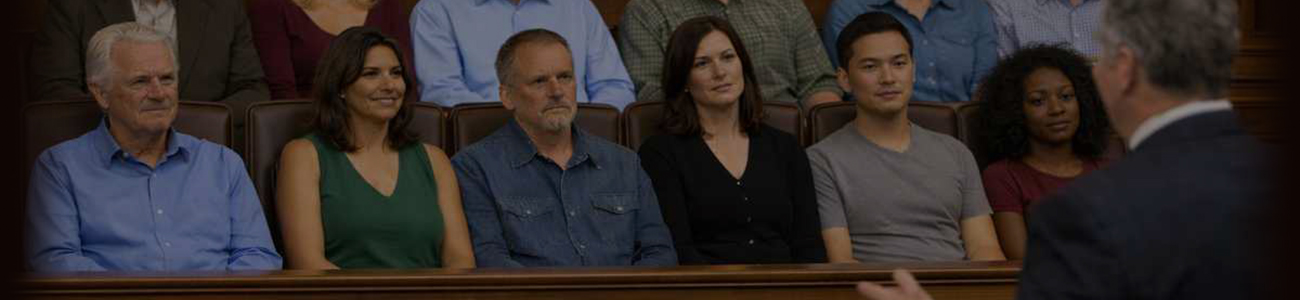
Readiness for Trial Is the Key to a Fair Settlement



Burn Injury Lawyer Atlanta | Severe Burn Claims
Severe burn injury lawyer in Atlanta. Johnson & Ward represents victims of fires, explosions, and chemical burns across Georgia. Free consultation. No fee unless we win.
Burn injuries are among the most devastating injuries a person can suffer. Severe burns often require weeks in a specialized burn unit, repeated surgeries, skin grafts, and long-term rehabilitation. Survivors may face permanent scarring, disability, and emotional trauma.
At Johnson & Ward, our Atlanta burn injury lawyers represent people across Georgia who suffered catastrophic burns caused by negligence, unsafe property conditions, defective products, truck crashes, explosions, or industrial accidents.
If you or a loved one suffered serious burns in Atlanta or anywhere in Georgia, our firm can investigate the cause, preserve critical evidence, and pursue compensation for medical costs, lost income, pain and suffering, and permanent disfigurement.
Burns are among the most painful injuries a person — or at least a male — can have. No words are adequate to describe that pain. On that pain scale of one to ten, burn injuries can hit about 10,000. It’s surreal. No amount of morphine or Demerol is adequate to cover it. Severe burns can change life forever, literally in a flash. They bring weeks in a burn unit, repeated surgeries, permanent scarring, and a lifetime of physical and emotional work.
See also our serious injury information center, and details on neck injuries, back injuries, brain injury, spinal cord injury, femur fractures, ankle fractures, eye injuries, ear injuries, amputations, leg amputation, facial scar injuries, scalp avulsion injuries, hand fracture injuries, myofascial pain injuries, foot drop, TMJ (tempormandibular joint) injuries, asbestos and silica lung illness, and syringomyelia.
What should I do right after a severe burn injury?
Call 911 and seek emergency medical care.
Don’t waste the “golden hour” after major trauma.
Do not attempt to evaluate the severity yourself.
Severe burns can fool people in the first minutes or hours. Shock can mask pain, and deep burns can destroy nerve endings, so “less pain” immediately after the incident does not mean minor injury.
Remove constrictive clothing and jewelry if possible.
This is important to reduce as there may be swelling, to prevent further damage, allow airflow and moisture management, preserve circulation, and promote healing.
Ensure transfer to a specialized burn center.
There are three in Georgia: Grady in Atlanta, J.W. Still in Augusta, and J.W. Still in Cobb County.
Contact an experienced burn injury lawyer early.
Burns are different. It’s good to get a lawyer who has both litigated burn cases and personally endured the burn recovery experience.
Why Early Investigation Matters in Burn Injury Cases
Evidence disappears quickly after fires and explosions.
Evidence after fires and explosions can disappear within hours or days as debris is cleared, vehicles are destroyed, and damaged equipment is repaired or discarded. Prompt investigation is often critical to preserve physical evidence, identify the cause, and protect a victim’s right to bring a legal claim.
Fire investigators may alter the scene.
Anyone who has experienced entering a burning building to rescue people knows that firefighters are heroes, but their job is to put out the fire and rescue victims. Fire department investigators may be looking for evidence of a crime more than details that may be crucial to your injury case.
Insurance companies begin investigating immediately.
Their job is to save the insurance company money. Years ago, I was on that side, prosecuting arson/fraud cases for insurance companies. If insurance investigation incidentally helps you, fine. But their job is not to help the burn survivors. Scene cleanup is normal, but it may destroy crucial evidence. When handling arson/fraud cases for insurance companies, I poked around at many fire scenes. While most of what I needed was in the pour-and-puddle charring patterns and chemicals that our investigators could detect, I also saw how fire hoses and shovels can destroy other types of evidence that could be useful in a burn injury case.
Preservation letters may be necessary.
Before evidence is lost or destroyed, your attorney can send formal demands to various parties for the preservation of evidence pending expert inspection. If you wait too long, the evidence may all be in the county landfill.
How Burn Injuries Are Classified
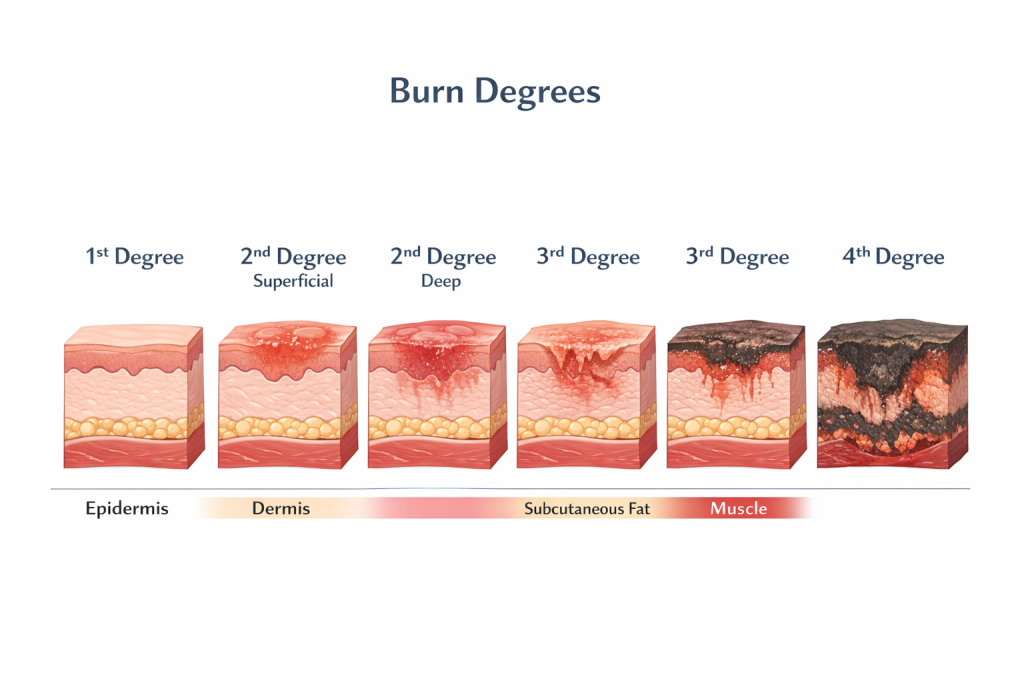
First-degree burns
First-degree burns affect only the outer layer of skin (epidermis) and typically cause redness, pain, and mild swelling without blistering. Although often treated at home, medical evaluation may be necessary when burns involve large areas or sensitive parts of the body.
Second-degree burns
Second-degree burns damage both the epidermis and the underlying dermis, often causing blistering, intense pain, and swelling. These burns may require medical treatment to prevent infection and reduce the risk of scarring.
Third-degree burns
Third-degree burns destroy the full thickness of the skin and may damage underlying tissue, leaving the skin white, leathery, or charred. Because nerve endings are often destroyed, the burned area may feel numb and typically requires surgical treatment such as skin grafting.
Fourth-degree burns
Fourth-degree burns extend beyond the skin into muscle, tendons, and bone. These catastrophic injuries require immediate emergency care and often result in permanent disability or amputation.
Common Causes of Severe Burns in Georgia
Apartment and house fires
Residential fires are a leading cause of severe burn injuries, often resulting from faulty wiring, unsafe heaters, unattended cooking, or landlord safety violations. Victims may suffer burns, smoke inhalation, and life-threatening injuries requiring treatment at specialized burn centers.
Truck crashes involving fuel fires
High-speed truck collisions can rupture fuel tanks and cause explosive fires that engulf vehicles and nearby victims. These incidents often lead to catastrophic burn injuries and complex legal claims involving trucking companies and insurers.
Gas explosions
Gas leaks in homes, businesses, or construction sites can ignite suddenly, causing devastating explosions and severe burns. Liability may involve property owners, gas utilities, contractors, or manufacturers of defective gas appliances.
Industrial accidents
Workers in factories, construction sites, and refineries face significant burn risks from machinery, hot surfaces, chemicals, and explosions. Industrial burn injuries often involve workers’ compensation claims as well as potential third-party liability.
Electrical burns
Electrical burns occur when high-voltage current passes through the body, damaging skin, nerves, and internal organs. These injuries often happen on construction sites, near power lines, or in utility-related incidents.
Chemical burns
Chemical burns occur when corrosive substances damage skin or eyes upon contact. Industrial chemicals, cleaning agents, and laboratory materials are common causes of these painful and potentially disfiguring injuries.
Defective products and lithium battery fires
Defective consumer products, including lithium-ion batteries in phones, e-bikes, and power tools, can overheat and ignite without warning. Product liability claims may arise when manufacturers fail to design safe batteries or warn consumers about fire risks.
Burn Treatment Centers in Georgia
Burn trauma patients are often quickly transferred — by either ground or air ambulance — from a local emergency department to whichever specialized burn center has room for them at the moment. Helicopter ambulance bills are among the medical expenses that can be sought in a personal lawsuit.
Grady Memorial Hospital Burn Center – Atlanta
The burn center at Grady Memorial Hospital in Atlanta, affiliated with Emory University Medical School, provides specialized care for severe burn injuries across the Southeast. Its multidisciplinary team treats patients with advanced surgical techniques, intensive care, and long-term rehabilitation.
Joseph M. Still Burn Center – Augusta
The Joseph M. Still Burn Center in Augusta is the largest burn treatment in Georgia outside Atlanta. It provides comprehensive burn care, including emergency treatment, reconstructive surgery, and long-term recovery services.
JWS Burn Center at Wellstar Cobb Hospital
The JWS Burn Center at Wellstar Cobb Hospital, affiliated with the Burn and Reconstructive Centers of America, also provides advanced treatment for severe burns, including surgical care and rehabilitation.
Long-Term Recovery After Severe Burns
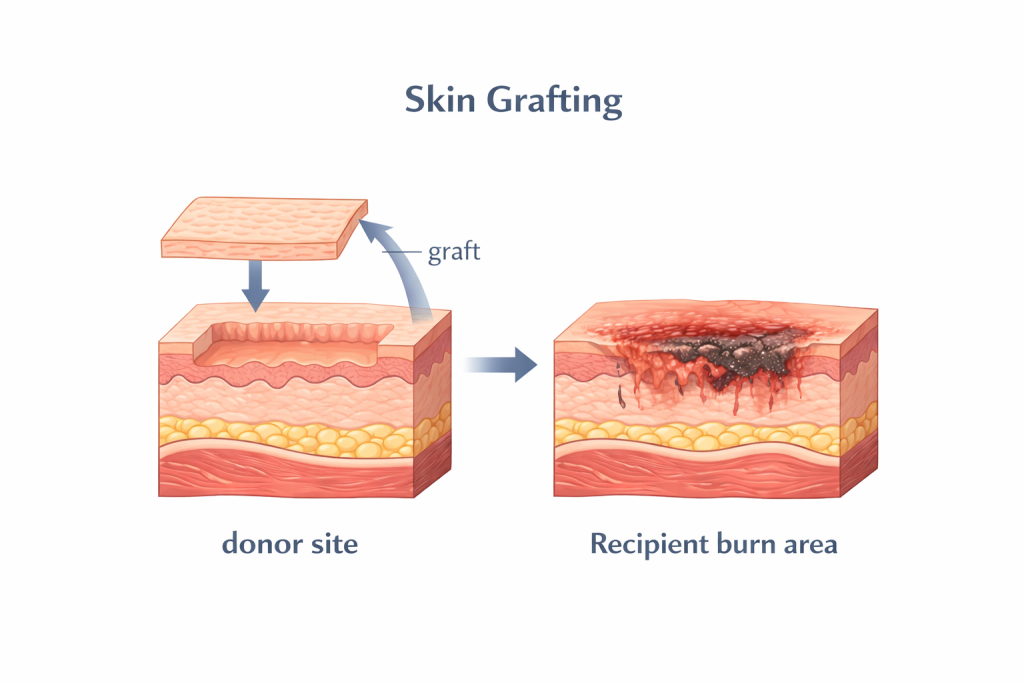
Skin graft surgeries
Severe burns often require skin graft surgery, where healthy skin is transplanted to replace damaged tissue. Multiple surgeries may be necessary to restore function and improve appearance.
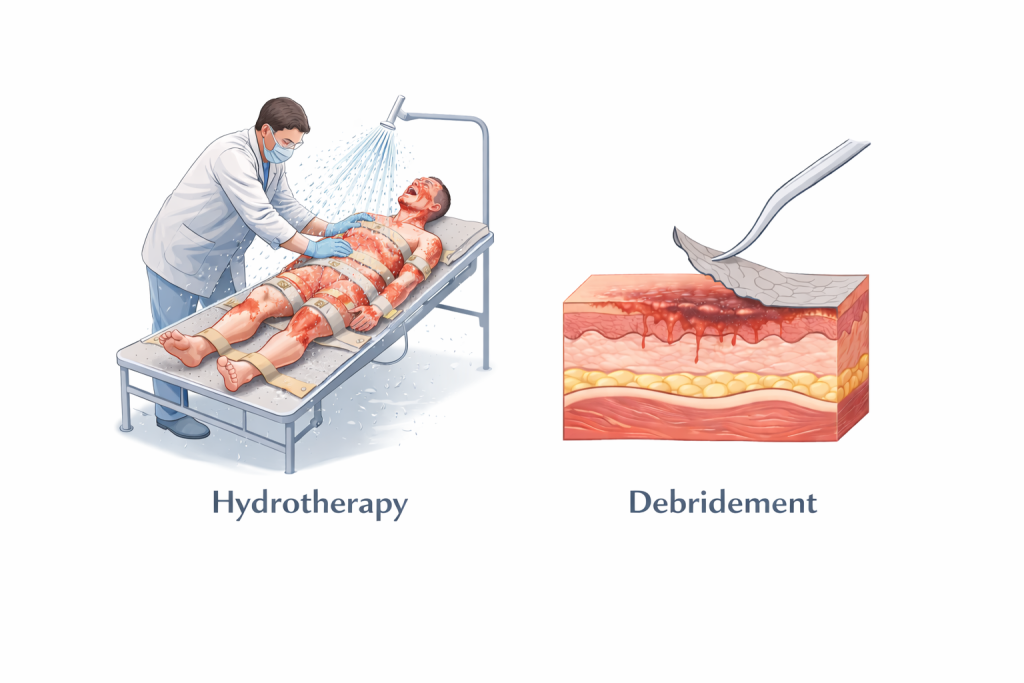
Hydrotherapy and debridement
Burn patients frequently undergo hydrotherapy and surgical debridement to remove dead tissue and reduce infection risk. These procedures are essential for healing but can be extraordinarily painful and require specialized medical care.
Compression garments and scar treatment
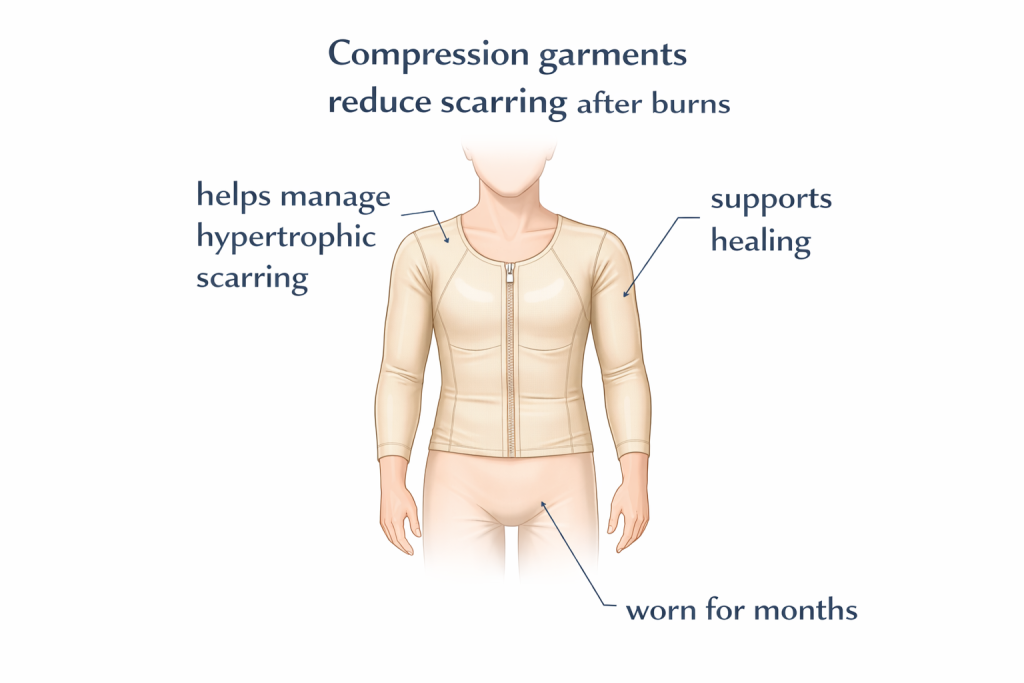
Compression garments help control swelling and reduce scar formation after severe burns. Patients may wear these garments for many months as part of long-term scar management therapy. Some patients find the custom-made, prescribed compression garments so uncomfortable that they substitute compression tights and shirts from athletic wear stores.
Physical and occupational therapy
Rehabilitation therapy helps burn patients regain strength, mobility, and the ability to perform daily activities. Therapy is especially important when burns affect joints, hands, or major muscle groups.
Psychological recovery and PTSD treatment
Severe burns often cause significant psychological trauma, including anxiety, depression, and post-traumatic stress disorder (PTSD). Mental health counseling and support are critical paPtsdrts of recovery for many burn survivors. Even the most stoic, mentally tough person who recovers well physically may be unable to deal with lighting gas grills or watching movies with explosion scenes for years after an injury.
Compensation in Georgia Burn Injury Lawsuits
Medical expenses
Burn injury claims often involve substantial medical expenses, including hospitalization, surgeries, medications, and rehabilitation. Compensation may cover both past medical bills and expected future treatment costs.
Lost wages and loss of earning capacity
Victims of serious burns may miss months or years of work during recovery. Compensation may include both lost wages and diminished earning capacity caused by permanent disability.
Pain and suffering
Severe burns often cause extreme physical pain and long-term emotional trauma. Georgia law allows injured victims to seek compensation for pain, suffering, and loss of quality of life.
Permanent scarring and disfigurement
Burn injuries frequently leave visible scars that permanently alter a person’s appearance. Compensation may be awarded for disfigurement and its lifelong impact on a victim’s personal and professional life.
Future medical care
Many burn survivors require ongoing medical care such as reconstructive surgery, scar revision, and therapy. Burn injury lawsuits may include damages to cover these future treatment needs.
Wrongful death damages
When severe burns result in death, surviving family members may pursue a wrongful death claim for the full value of the life. The decedant’s estate may seek compensation for related financial damages.

Burn Injuries Caused by Negligence
Apartment complex fires
Landlords may be liable when apartment fires result from unsafe wiring, faulty smoke detectors, blocked exits, or other safety violations. Burn victims may pursue claims against property owners who failed to maintain safe premises.
Truck accident fires
Truck crashes involving fuel fires can cause devastating burn injuries. Liability may extend to trucking companies, drivers, maintenance contractors, and cargo shippers.
Industrial accidents
Serious burns in industrial settings may result from safety violations, defective equipment, or unsafe working conditions. In addition to workers’ compensation benefits, injured workers may have claims against negligent third parties.
Electrical utility incidents
High-voltage power lines and utility equipment can cause severe electrical burns. Utility companies may be responsible when negligent maintenance or unsafe infrastructure leads to injury.
Dangerous consumer products
Defective products such as heaters, batteries, appliances, and fuel containers can cause fires and explosions. Product manufacturers and distributors may be liable when unsafe products cause burn injuries.
Why Burn Injury Cases Require Trial Lawyers Experienced With Burn Issues
Burn injury cases are among the most complex personal injury claims because they involve catastrophic injuries, extensive medical treatment, and significant long-term damages. The injuries and the science are quite different from orthopedic and neurological injuries most injury lawyers encounter.
Multiple defendants
Burn injury cases often involve multiple potentially responsible parties, such as property owners, manufacturers, contractors, trucking companies, or utilities. Identifying every liable defendant is essential to ensure full compensation for the injured victim.
Complex insurance coverage
Serious burn cases frequently involve multiple insurance policies, including commercial liability, product liability, trucking coverage, and umbrella policies. Understanding how these policies interact is critical to identifying all available sources of compensation. A small primary policy might be accompanied by a larger excess policy or umbrella policy. A property owner’s liability coverage may be supplemented by contractor or product liability policies. In major truck fire cases, separate policies can cover the motor carrier, the trailer owner, the freight broker, and the maintenance company. In a serious Georgia burn case, your lawyer may need to look beyond the most obvious defendant. A landlord may have basic liability insurance, but a separate property management company may carry additional coverage. A contractor who installed gas lines would have its own policy. The manufacturer of a product that failed and caused the fire or explosion may bring higher limits. On trucking and industrial cases, primary, excess, and umbrella policies may stack, along with coverage for separate maintenance and logistics companies.
Careful liability analysis and insurance mapping can help fund lifetime needs. Complex coverage issues are where decades of litigation experience often make the difference between a limited recovery and a settlement or verdict that truly supports lifelong needs.
Life care planning
Severe burn injuries often require lifelong medical treatment, reconstructive surgery, rehabilitation, and specialized care. Life care planners help estimate the long-term costs of treatment so that victims can seek adequate compensation.
Catastrophic injury damages
Burn injuries can cause permanent disability, severe scarring, and profound physical and emotional suffering. Catastrophic injury damages are intended to compensate victims for the full long-term impact of these life-altering injuries. Lawyers experienced with burn injuries can work with medical experts, economists, and life-care planners to fully document the lifelong impact of severe burns.
FAQ. Frequently asked questions about burn injury cases.
What is a severe burn injury?
A severe burn injury damages deep layers of skin and tissue and often requires hospitalization, surgery, or skin grafting. Serious burns can lead to permanent scarring, nerve damage, disability, and long-term medical treatment.
When should you contact a burn injury lawyer?
You should contact a burn injury lawyer as soon as possible after a serious fire, explosion, or chemical exposure. Early legal involvement helps preserve evidence, identify responsible parties, and protect the victim’s right to compensation.
What causes burn injury lawsuits?
Burn injury lawsuits typically arise from negligent property maintenance, defective products, industrial accidents, electrical hazards, gas explosions, or vehicle crashes involving fire.
What are thermal burns?
Thermal burns result from heat sources such as explosions, open flames, hot metal, steam, or scalding liquids.
What are radiation burns?
Radiation burns usually arise from prolonged exposure to ultraviolet light or other forms of radiation, including some medical or industrial settings.
What are chemical burns?
Chemical burns occur when strong acids, alkalis, detergents, or industrial solvents come into contact with the skin or eyes.
What are electrical burns?
Electrical burns result from contact with electric current, whether household wiring, industrial machinery, or downed power lines.
Talk With an Atlanta Burn Injury Lawyer
Severe burns can change a life forever. Medical treatment may involve weeks in a burn unit, multiple surgeries, and years of recovery. If you or a family member were badly burned due to someone else’s negligence, you should speak with an experienced burn injury attorney as soon as possible. Johnson & Ward has represented serious injury victims in Georgia since 1949. We investigate fires, explosions, apartment fires, truck crashes, industrial accidents, and dangerous products.
Ken Shigley, senior counsel, former president of the State Bar of Georgia, was the first Georgia lawyer to earn three board certifications from the National Board of Trial Advocacy: Truck Accident Law, Civil Trial Practice, and Civil Pretrial Practice. He was the lead author of eleven editions of Georgia Law of Torts: Trial Preparation and Practice, and received the Traditions of Excellence Award from the State Bar of Georgia General Practice and Trial Section. B.A., Furman University; J.D., Emory University Law School; Certificates in mediation and negotiation, Harvard Law School. “Best Lawyers in America” (2024); Tradition of Excellence Award for Lifetime Achievement (2019); Diplomate, National College of Advocacy (2017); Chair, American Association for Justice (AAJ) Motor Vehicle Collision, Highway & Premises Liability Section (2015-16)( included over 2,500 trial lawyers in all 50 states and specialized litigation groups on Trucking Litigation, Bus Litigation, Traumatic Brain Injury, Spinal Cord Injury, Motorcycle Litigation, Bicycle Litigation, Resort Torts Litigation and Inadequate Security Litigation); Criminal Justice Reform Council, appointed by Governor Nathan Deal (2011-13); Commission on Continuing Lawyer Competency (2012-13); Chief Justice’s Commission on Professionalism (2011-12); Georgia Commission on Dispute Resolution (2011-12); Georgia Courts Automation Commission (2008-10); Chair, State Bar of Georgia Insurance Law Section (1994-95); Chair, Georgia Insurance Law Institute (1994); Peer ratings: “AV” in Martindale-Hubbell, Bar Register of Preeminent Lawyers (since 1995), “Super Lawyers,” “Legal Elite” (Georgia Trend), Avvo 10.0, “Who’s Who in Law” listing in Atlanta Business Chronicle; Chapter author – Handling Motor Vehicle Accident Cases (Thompson Reuters West)
John Adkins, managing partner, experienced in personal injury law, including auto accidents, truck accidents, wrongful death, workers’ compensation, premises liability claims, dangerous or defective products, medical malpractice and related Plaintiff’s tort litigation. B.A., magna cum laude, Kennesaw State University; J.D., Thomas Jefferson Law School.
Ed Stone, partner, personal injury law, including truck accidents, auto accidents, wrongful death, workers’ compensation, premises liability claims, dangerous or defective products, medical malpractice, and related Plaintiff’s tort litigation. B.B.A., Kennesaw State University; J.D., John Marshall Law School.
How does an experienced burn injury lawyer preserve fleeting evidence?
Preparation of a case for negotiation or trial may include making brief video recordings of burn treatment sessions. One minute of authentic video of hydrotherapy and debridement and struggles to get to the bathroom on a walker in a burn center is worth volumes of dry medical records. Together with detailed medical records, these can show to an adjuster, mediator, or jury not just that someone was hurt, but the scale of the trauma, suffering, cost, and long-lasting effects.
Claims against state
In serious fire and explosion cases, attorneys may hire cause-and-origin experts within days of the incident, much as they would in investigating arson for an insurance company. They examine burn patterns, electrical panels, gas lines, and appliances before demolition crews or insurers tidy up what matters. At the same time, your lawyers would gather fire department reports, 911 audio, security video, maintenance records, and witness statements.
Any severe injury case involves a search for adequate insurance. A homeowners or commercial liability policy may have clearly inadequate coverage limits. A thorough investigation can uncover excess or umbrella policies, contractor policies, product manufacturer coverage, and even broker or property-manager liability. Mapping these layers of insurance early allows your lawyer to match settlement strategy to the true financial exposure rather than the first policy an adjuster mentions.
What is recovery like after a serious burn injury?
Recovery from severe burns is long, painful, and often feels endless. Many patients undergo multiple surgeries, skin grafts, and hydrotherapy, wear compression garments for months, need intensive physical therapy and counseling. A strong legal claim should reflect not just the hospital stay, but the years of healing, limitations, and emotional fallout that follow.
Hydrotherapy and debridement—the process of removing dead tissue—are often described as some of the most painful experiences a patient can endure, other than perhaps childbirth. Patients may require heavy pain medication just to tolerate wound care. Jurors visibly react when a burn survivor in calm understatement explains in granular detail the experience of endurign pain day after day, then try to sleep, then get up and do it again. Authentic, unstaged cinéma vérité video of treatment and rehab sessions, even made on a cell phone by a family member, is invaluable.
Nutrition is critical in recovery from burn injuries. Severe burns increase the body’s metabolic needs, and patients often require high-protein, high-calorie diets or specialized nutritional support to heal. Families may find useful information on burn-related nutrition at resources like the National Institutes of Health. After consulting your physician about appropriateness and dosages, you might consider supplements such as Glutamine, Arginine, Selenium, Omega 3 fatty acids, and vitamins C, D and E.
Compression garments help reduce scarring but can be incredibly hot and constricting, especially in Georgia summers. Some burn survivors find the prescribed, custom-made compression garments so hot, scratchy and uncomfortable that they substitute compression running tights and shirts from an athletic wear store, even though those fabrics are usually not flame-proof. Even those athletic compression garments can be intolerably hot outdoors when the thermometer hits 100+. Get your physician’s permission first.
For large burns with extensive grafting, burn injury lawyers often work with life care planners and medical experts to project decades of future care. That may include future scar revision surgeries, counseling, physical and occupational therapy, durable medical equipment, and help with activities of daily living. In Georgia, those future damages, properly documented, can help support a major portion of any settlement or verdict.
How do severe burn injuries affect mental health and quality of life?
In trial, we have seen jurors respond most strongly when a burn survivor gives a simple, honest description of everyday impacts: how long it takes to dress, whether they avoid mirrors, how children react to scars, or why they hesitate to go to church or the ballpark. Visible scars can be as socially and emotionally debilitating and the physical effects. Detailed testimony from family, friends, pastors, and co-workers helps paint a full picture of the loss.
Tasteful, understated video of these experiences can be tremendously valuable.
Burn injury lawyers team up with treating therapists and, when needed, independent psychologists or psychiatrists to explain the mental health side of the injury. Their records and testimony can support claims for counseling costs as well as non-economic damages in Georgia courts and negotiations.
Every severe burn case in Georgia is different, and outcomes depend on the specific facts, the medical course, and the available insurance coverage. If you or a loved one has suffered a serious burn anywhere in Georgia—from Atlanta and Fulton County to rural areas far from a burn center—our firm can review the facts, map out potential liability and coverage, and help you decide on next steps. We welcome serious inquiries about catastrophic burn injuries and wrongful death claims.
Johnson & Ward, established in 1949, was Atlanta’s first best,personal injury specialty law firm. Call today at (404)253-7862 to schedule a free consultation. We handle car and truck accidents, falls, and serious injury claims, and we only get paid if we win.
Ken Shigley started out as a prosecutor and litigated both criminal and civil arson cases early in his career. A burn survivor himself, he knows at a gut level what you go through as a patient in the burn unit. He is senior counsel at Johnson & Ward, former president of the State Bar of Georgia, and was the first Georgia lawyer to earn three board certifications from the National Board of Trial Advocacy: Truck Accident Law, Civil Trial Practice, and Civil Pretrial Practice. He was the lead author of eleven editions of Georgia Law of Torts: Trial Preparation and Practice, and received the Traditions of Excellence Award from the State Bar of Georgia General Practice and Trial Section. B.A., Furman University; J.D., Emory University Law School; Certificates in mediation and negotiation, Harvard Law School.
John Adkins, managing partner, is experienced in personal injury law, including auto accidents, truck accidents, wrongful death, workers’ compensation, premises liability claims, dangerous or defective products, medical malpractice, and related Plaintiff’s tort litigation. B.A., magna cum laude, Kennesaw State University; J.D., Thomas Jefferson Law School.
Ed Stone, partner, personal injury law, including truck accidents, auto accidents, wrongful death, workers’ compensation, premises liability claims, dangerous or defective products, medical malpractice, and related Plaintiff’s tort litigation. B.B.A., Kennesaw State University; J.D., John Marshall Law School.